What is the Christmas meaning in the Bible?
Christmas is the celebration of the birth of Jesus Christ, the Son of God and Savior of the world. While the word “Christmas” does not appear in Scripture, the event it commemorates the incarnation of Christ is one of the most important moments in biblical history.
The biblical meaning of Christmas centers on God becoming flesh, bringing salvation, hope, peace, and reconciliation to humanity. It marks the fulfillment of Old Testament prophecy and the beginning of God’s redemptive plan through Jesus.
To understand Christmas fully, we must explore its scriptural foundation, prophetic background, theological significance, and spiritual application.
The Biblical Account of Jesus’ Birth
The story of Jesus’ birth is recorded primarily in the Gospels of Matthew and Luke.
1. The Announcement to Mary
In Luke 1:26–38, the angel Gabriel tells Mary she will give birth to a Son conceived by the Holy Spirit. This miraculous conception shows that Jesus was:
- Fully human (born of a woman)
- Fully divine (conceived by the Holy Spirit)
Mary’s response—“Let it be to me according to your word”—demonstrates faith and surrender.
2. The Birth in Bethlehem
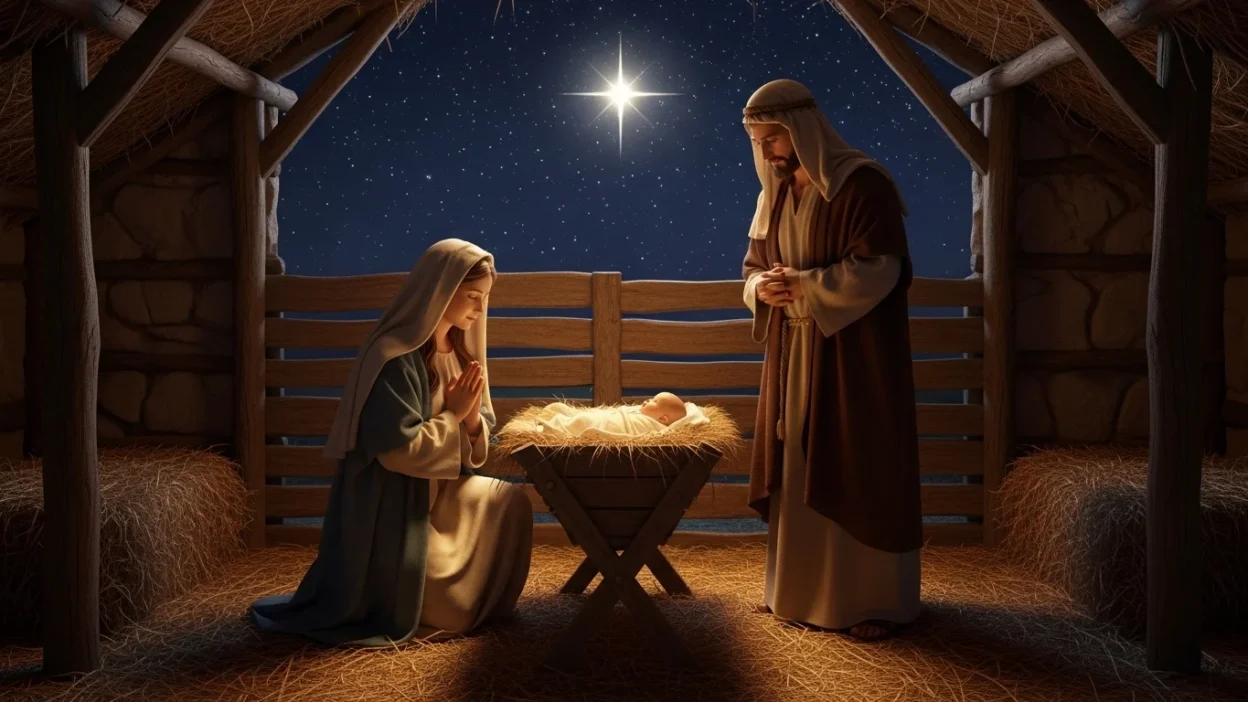
Luke 2:1–7 describes Jesus’ birth in Bethlehem. There was no room in the inn, so Mary laid Him in a manger.
This humble setting reveals a powerful truth:
- The King of Kings was born in simplicity.
- God’s glory entered the world quietly.
Christmas reminds believers that God often works through humility rather than worldly power.
3. The Shepherds and the Angelic Announcement
In Luke 2:8–14, angels appear to shepherds announcing:
“Glory to God in the highest, and on earth peace, goodwill toward men.”
Shepherds were ordinary people, symbolizing that Christ came for everyone—not just the wealthy or powerful.
4. The Visit of the Wise Men
In Matthew 2:1–12, wise men from the East follow a star to worship Jesus. They bring gifts:
- Gold (symbolizing kingship)
- Frankincense (symbolizing divinity)
- Myrrh (foreshadowing suffering and death)
Their journey shows that Jesus is the Savior not only of Israel but of all nations.
The Prophetic Foundation of Christmas
Christmas fulfills Old Testament prophecy.
1. The Virgin Birth
In Isaiah 7:14, it says:
“The virgin will conceive and give birth to a son…”
This prophecy was fulfilled in Jesus’ birth.
2. Born in Bethlehem
In Micah 5:2, the Messiah is foretold to be born in Bethlehem.
God’s promises, spoken centuries earlier, were fulfilled precisely.
The Meaning of “Christmas”
The word Christmas comes from “Christ’s Mass,” meaning a celebration of Christ. At its core, Christmas celebrates:
- The incarnation (God becoming flesh)
- The arrival of the Messiah
- The beginning of salvation history
Theologically, Christmas marks the moment when:
“The Word became flesh and dwelt among us.” (John 1:14)
Through Jesus, God stepped into human history.
The Theological Meaning of Christmas
1. The Incarnation
The incarnation means God took on human nature.
Jesus was not merely a prophet or teacher—He was God in the flesh.
This truth sets Christianity apart. Christmas celebrates divine love expressed physically and personally.
2. God With Us
Matthew 1:23 calls Jesus “Immanuel,” meaning “God with us.”
Christmas reminds believers that:
- God is not distant.
- God entered human suffering.
- God understands human weakness.
3. The Beginning of Redemption
Christmas is inseparable from Easter.
Jesus was born to save.
In Luke 2:11, the angel declares:
“Today in the town of David a Savior has been born to you.”
His birth points toward His mission—redemption through the cross.
Spiritual Themes of Christmas
1. Hope
The world before Christ was waiting for deliverance. Christmas represents hope fulfilled.
2. Peace
Angels proclaimed peace. This peace is not merely absence of conflict but reconciliation with God.
3. Joy
The shepherds rejoiced. Christmas is a celebration of divine joy entering the world.
4. Love
Perhaps the greatest theme of Christmas is love.
God gave His Son as a gift to humanity.
The Humility of Christ’s Birth
Jesus’ birth in a manger teaches humility.
He did not enter the world in a palace but in poverty. This challenges believers to value:
- Simplicity
- Servanthood
- Compassion
Christmas invites reflection on humility in our own lives.
The Universal Invitation
The shepherds represent ordinary people.
The wise men represent distant nations.
Together, they show:
- Christ came for Jews and Gentiles.
- Salvation is for all who believe.
Christmas breaks barriers of status, culture, and background.
Misunderstandings About Christmas
While modern culture often emphasizes decorations, gifts, and festivities, the biblical meaning goes deeper.
Christmas is not about:
- Commercialism
- Material wealth
- Cultural tradition alone
It is about Christ.
Living the Meaning of Christmas
How can believers apply Christmas spiritually?
1. Embrace Gratitude
Reflect on God’s gift of salvation.
2. Practice Generosity
Give out of love, reflecting God’s generosity.
3. Share the Gospel
Christmas provides an opportunity to speak about Christ.
4. Seek Peace
Pursue reconciliation and forgiveness.
Christmas and Eternal Perspective
The birth of Jesus was the first step in God’s eternal plan.
Through Christ:
- Sin is forgiven.
- Death is defeated.
- Eternal life is promised.
Christmas begins a story that leads to ultimate restoration.
Why Christmas Still Matters
Over 2,000 years later, Christmas remains central to Christian faith because it celebrates:
- God’s faithfulness
- Fulfilled prophecy
- The arrival of the Savior
- The light shining in darkness
The world may change, but the message of Christmas remains constant.
Conclusion
The Christmas meaning in the Bible centers on the birth of Jesus Christ—the incarnation of God, the fulfillment of prophecy, and the beginning of salvation.
It is a story of humility, hope, peace, and divine love.
Christmas reminds believers that God did not remain distant. He came near. He entered human history to rescue humanity from sin and restore fellowship.
At its heart, Christmas is not about a date it is about a Person.
And that Person is Jesus Christ.

Michael Brown is a contributor and author at BibliHub.com, where he produces insightful and research-oriented articles. He values depth, accuracy, and structure in his writing, ensuring that readers receive meaningful and well-supported information. Michael’s work is designed to inform, educate, and provide long-term value to readers interested in learning and exploration.