
Imagine a night filled with urgency and faith. Families gathered in their homes, a lamb prepared for a sacred meal, and a powerful promise from God that would change history forever. This moment became known as Passover, one of the most important events in the Bible.
The Passover meaning in the Bible is deeply connected to deliverance, protection, and God’s saving power. It remembers the night when God rescued the Israelites from slavery in Egypt. Through this event, God showed His faithfulness and His ability to protect His people.
For generations, Passover has been a time of remembrance and gratitude. It reminds believers that God sees suffering, hears prayers, and acts to bring freedom. The story is not only about ancient history—it carries a spiritual message that still speaks to people today.
By exploring what the Bible says about Passover, we can understand how this powerful event reveals God’s love, redemption, and the promise of salvation.
Biblical Meaning of Passover
Passover originates in the book of Exodus, when the Israelites were enslaved in Egypt. God sent Moses to lead His people out of bondage, but Pharaoh refused to let them go.
After many warnings and signs, God announced the final plague: the death of the firstborn in Egypt. However, He provided a way for His people to be protected.
In Exodus 12, God instructed each Israelite family to sacrifice a lamb and place its blood on the doorposts of their homes.
That night, the Lord passed through Egypt. When He saw the blood on the doors, He “passed over” those houses and spared the families inside.
This act of divine protection became known as Passover.
The Passover Lamb
The lamb played a central role in the Passover story. It had to be:
- Without defect
- Carefully prepared
- Shared among the family
The lamb’s blood symbolized protection and obedience to God’s command.
In the New Testament, Christians see a powerful connection between the Passover lamb and Jesus Christ, who is often called the “Lamb of God.”
In John 1:29, John the Baptist declares:
“Behold the Lamb of God, who takes away the sin of the world.”
This connection shows how Passover points toward the ultimate salvation through Christ.
A Memorial for Generations
God commanded the Israelites to remember Passover every year.
In Exodus 12:14, it says:
“This day shall be for you a memorial day, and you shall keep it as a feast to the Lord.”
The yearly celebration reminded the people of God’s deliverance and faithfulness.
Even today, Jewish families celebrate Passover, remembering the freedom God gave their ancestors.
Spiritual Significance and Symbolism
Passover is rich with spiritual symbolism that reveals important truths about faith and salvation.
Deliverance from Bondage
The Israelites were slaves in Egypt. Their rescue shows that God has the power to free His people from oppression.
Spiritually, this represents freedom from sin and spiritual bondage.
God’s Protection
The blood on the doorposts marked the homes of those who trusted God’s instructions.
This symbolizes how faith in God brings protection and mercy.
Sacrifice and Redemption
The Passover lamb represented a life given to save others.
For Christians, this foreshadows the sacrifice of Jesus, who gave His life so humanity could be saved.
A New Beginning
Passover marked the start of Israel’s journey to the Promised Land.
Spiritually, it represents new beginnings and transformation when God leads His people into freedom.
Passover and the Life of Jesus
Passover also plays a key role in the story of Jesus.
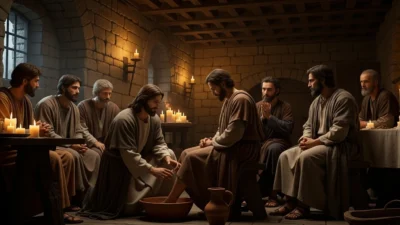
Before His crucifixion, Jesus shared the Last Supper with His disciples during the Passover celebration.
This event is recorded in Luke 22.
During this meal, Jesus spoke about bread and wine as symbols of His body and blood. Christians later recognized this as the foundation of Communion.
Because Jesus died during the Passover season, many believers see Him as the ultimate Passover sacrifice who brings eternal salvation.
Passover in Dreams or Spiritual Reflection
Sometimes people encounter the idea of Passover in dreams, prayer, or personal reflection. In a spiritual sense, it can symbolize:
- A season of deliverance from difficulties
- A reminder that God protects His people
- A call to trust God during times of challenge
Passover reminds believers that God can bring freedom even when situations seem impossible.
Practical Lessons and Faith Insights
The story of Passover teaches believers to trust God’s guidance and remember His faithfulness. Just as the Israelites followed God’s instructions for protection, Christians are encouraged to live in obedience and faith. Passover also reminds believers that God specializes in bringing freedom, hope, and new beginnings.
Conclusion
The Passover meaning in the Bible centers on God’s power to deliver, protect, and redeem His people. It remembers the night when God passed over the homes of the Israelites and set them free from slavery.
Beyond its historical importance, Passover carries a powerful spiritual message. It points to God’s mercy, the importance of sacrifice, and the promise of salvation.
For believers today, the story of Passover continues to inspire faith. It reminds us that God sees our struggles, hears our prayers, and leads His people toward freedom and hope.

John Miller is a content author at BibliHub.com, known for creating clear, well-structured, and reader-friendly articles. He focuses on breaking down complex topics into simple, practical explanations that are easy to understand for a global audience. John emphasizes accuracy, research-based information, and logical presentation, making his work reliable and accessible for readers seeking trustworthy knowledge.