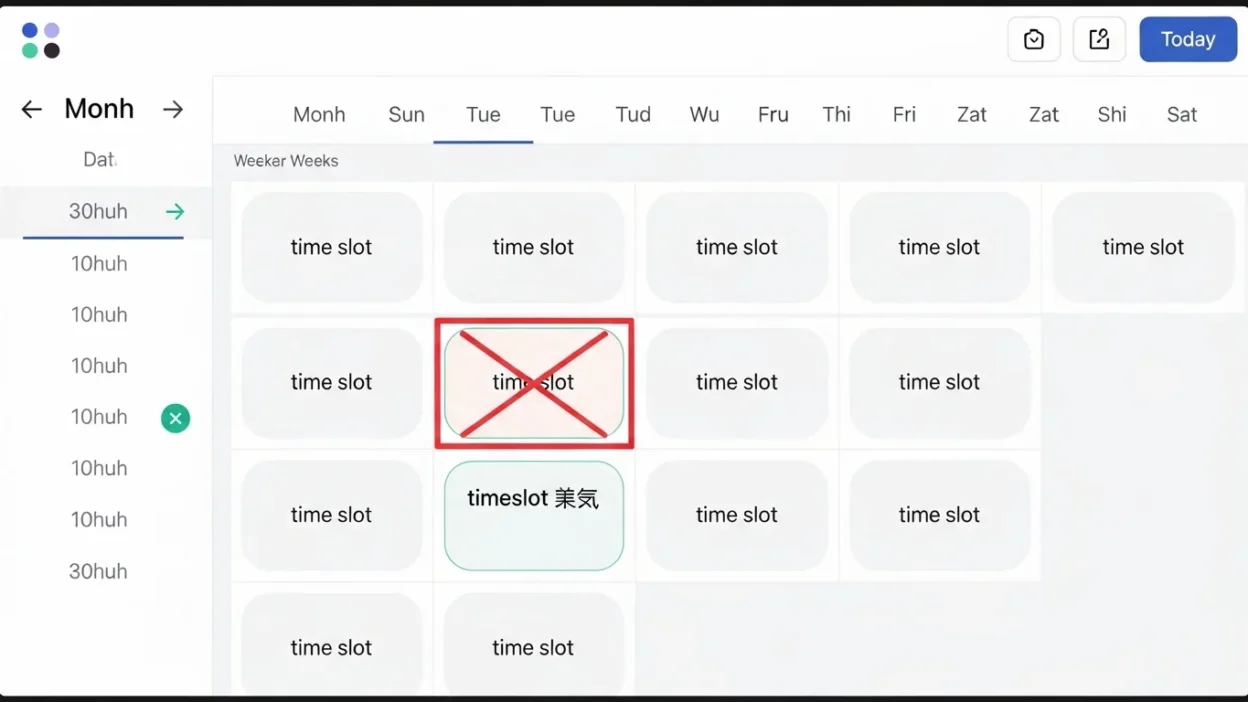
Confused between timeslot and time slot? You’re not alone. This is a common question, especially in scheduling, business communication, and online bookings.
The difference is simple—but knowing the correct form helps your writing look more professional and polished.
Quick Answer
- Time slot ✅ is correct (standard form)
- Timeslot ➖ is less common but sometimes used informally
👉 In short:
Use “time slot” (two words) in most cases
What Does “Time Slot” Mean?
Time slot is a noun that refers to a specific period of time scheduled for an activity, event, or appointment.
Common Uses of Time Slot
- Booking appointments
- Scheduling meetings
- TV or radio programming
Examples of Time Slot
- Please choose a time slot for your appointment.
- The show airs in a prime time slot.
- This time slot is already booked.
Synonyms for Time Slot
- Time period
- Schedule window
- Appointment slot
- Booking slot
Is “Timeslot” Ever Correct?
Timeslot (one word) is sometimes used in:
- Informal writing
- Internal company systems or apps
However, it is not the preferred standard spelling in formal or professional English.
Example of Timeslot (Less Formal)
- Select a timeslot for delivery.
👉 While not strictly wrong, it’s better to use time slot in most situations.
Timeslot vs Time Slot: Key Differences
| Feature | Time Slot | Timeslot |
|---|---|---|
| Spelling | Standard, correct | Less common |
| Usage | Formal & professional | Informal or technical |
| Preference | Recommended | Avoid in formal writing |
| Example | Book a time slot | Book a timeslot |
Simple Trick to Remember
Here’s an easy way to get it right:
👉 Think of similar phrases:
- time frame
- time period
✔ They are two words → so use time slot
Common Mistakes to Avoid
1. Using “Timeslot” in Formal Writing
❌ Less preferred: Choose a timeslot for your meeting.
✅ Better: Choose a time slot for your meeting.
2. Inconsistent Usage
Don’t switch between both forms in the same document.
3. Assuming One-Word Form Is Standard
Even if you see timeslot online, the correct standard is still time slot.
Real-Life Examples
Scheduling
- Pick a time slot that works for you.
Business Communication
- We have limited time slots available.
Media Context
- The program moved to a new time slot.
American vs British English Differences
There is no major difference:
- Both American and British English prefer time slot
- Timeslot may appear informally in both
Related Words and LSI Keywords
To deepen your understanding:
- Appointment slot
- Booking time slot
- Schedule availability
- Time frame vs time slot
- Meeting schedule
- Calendar booking
FAQs
Is timeslot one word or two?
The correct and standard form is two words: time slot.
Can I use timeslot in writing?
You can, but it’s better to use time slot, especially in formal writing.
Which is more common?
Time slot is more widely accepted and used.
Is timeslot incorrect?
Not strictly incorrect, but less preferred.
What does time slot mean?
It refers to a specific scheduled period of time.
Is there a difference in UK and US English?
No, both prefer time slot.
Should I use time slot in emails?
Yes, it’s the more professional choice.
Why do people use timeslot?
Mostly for convenience or informal usage in digital platforms.
Summary
The difference between timeslot vs time slot is mainly about correctness and formality. Time slot is the standard and widely accepted spelling, while timeslot is less common and mostly used informally.
For clear and professional communication, it’s always safer to use time slot.
Final Thoughts
Small spacing details can make a big difference in how your writing is perceived. Choosing time slot over timeslot ensures your language remains clear, correct, and professional.
With consistent use, this simple rule becomes second nature helping you communicate more effectively in both personal and professional settings.

Michael Brown is a contributor and author at BibliHub.com, where he produces insightful and research-oriented articles. He values depth, accuracy, and structure in his writing, ensuring that readers receive meaningful and well-supported information. Michael’s work is designed to inform, educate, and provide long-term value to readers interested in learning and exploration.